What It Means To Transfer As A College Athlete.

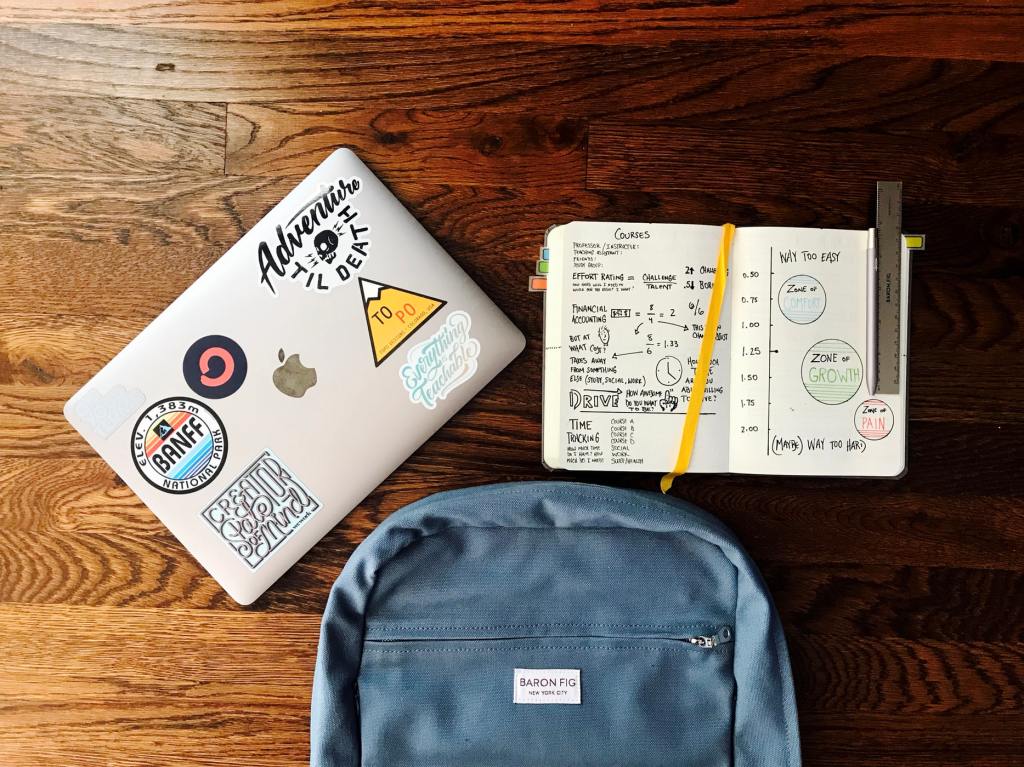
Ben White – Unsplash.com

In the sports world, the word “transfer” can come off with a negative connotation. When an athlete transfers schools, it is often perceived that they are doing so because they sit the bench, or they don’t want to work hard to win. That is not always the case though.

More often than not, when athletes are unhappy about their current situation, they feel like they are stuck, especially those athletes who are on a full-ride scholarship. They often think to themselves, “My school is getting paid for. I need to suck it up.” And if they do decide to transfer, they sometimes have to sit out a year, and no athlete wants to do that.

This however, has led to higher rates of depression in college athletes, and is sending the wrong message to athletes about what college athletics is really all about

NCAA.com

In NCAA Division II, 19% of athletes transferred from another school, but the number of athletes who want to transfer is likely much higher. I am one of those athletes who wanted to transfer. While there are many student athletes who want to transfer, our stories are all different. We all have different reasons for transferring.

Not all transfer stories are the same.

In this post, I am going to share my story of why I made the decision to transfer, the entire process, and lessons that I have learned from this experience. If you are a current college athlete thinking about transferring, or someone who is unfamiliar with the transfer process, I hope you can take something away from this. I hope you finish this post with a better perspective on what transferring really entails.

My Story

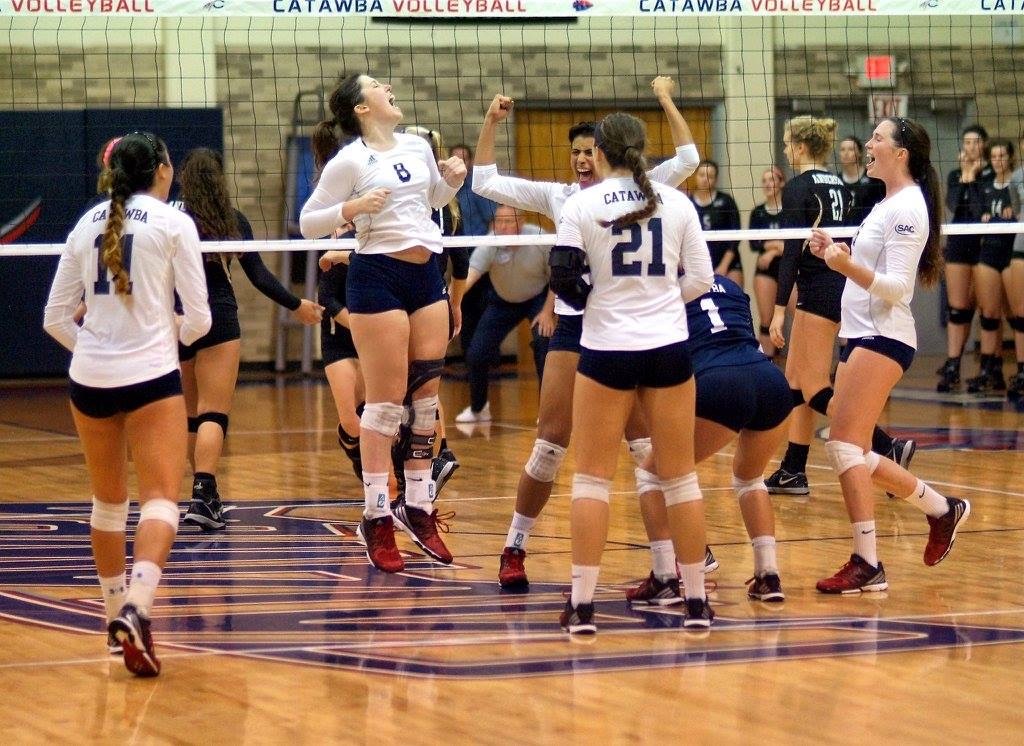
I played my first two years of collegiate volleyball at Catawba College. Playing volleyball in college was not just a dream of mine, but almost an expectation. I have been playing since I was eight years old, so I simply could not imagine myself giving it up. In addition to playing in college, I got the experience of playing with my sister, who was also on the team.

Although that experience was fun, my overall experience in general was not. My freshman year, we placed last in our conference, and did not perform much better my sophomore year. What was most frustrating was the fact that I went from loving every second of volleyball in high school to dreading going to practice and playing in an environment that was simply not good for my mental health. 

After my sophomore year, my sister was graduating and one of my close friends on the team was transferring. It was at that point when I began to wonder whether Catawba College was where I wanted to continue by academic and athletic career. A part of me was saying that I needed to toughen up, that I chose to go here. I was worried that if I made this decision, that it would feel as though I had made a mistake about going to Catawba in the first place.

A part of me was saying that I needed to toughen up, that I chose to go here.

I had long discussions with my family about the possibility of transferring, and they were surprisingly supportive. They just wanted what was best for me. 

In December of 2018, I gave my notification to transfer to my former coach and athletic department. Coincidentally, my coach resigned, which gave me an even bigger reason to leave, although many thought that would change my mind. 

Once I notified the athletic department that I wanted to transfer, I was placed into the NCAA Transfer Portal, something that all athletes are put it upon transferring. The transfer portal was made to make the transfer process easier and more efficient for coaches, administrators, and athletes. 

After being placed into the portal, I started to get emails from many college coaches from both DII and DIII schools. I was contacted by my former assistant coach at Catawba, who was now the head coach at William Peace University (WPU). I visited Peace in February 2019 and loved everything about the campus.
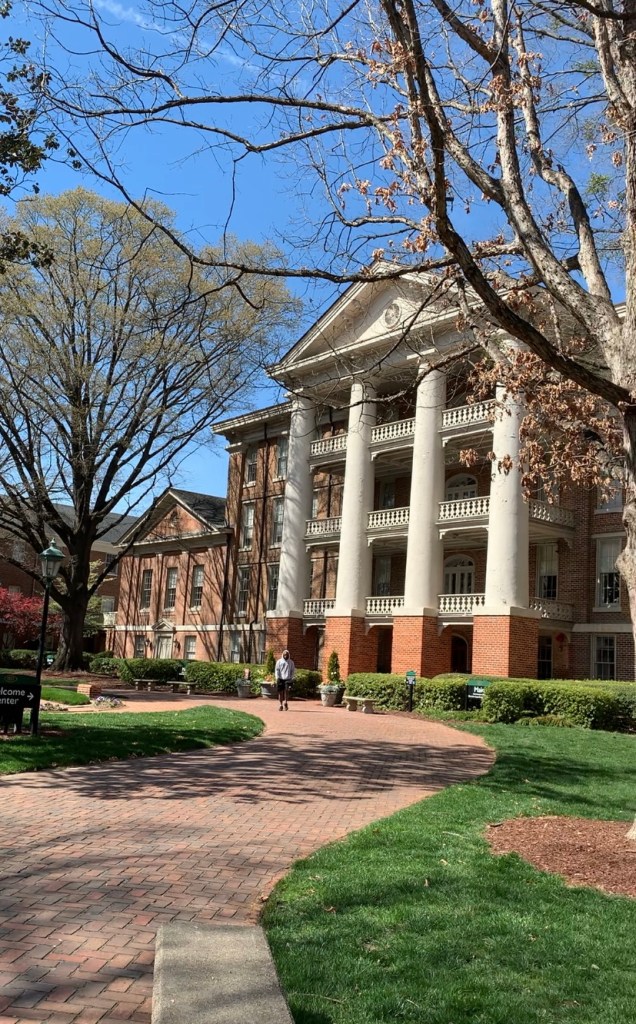
It was a small school in a bigger city with my academic major and a successful volleyball program. What more could I have asked for?

However, I struggled with the thought of starting over at a new school, leaving my friends at Catawba and the campus I once called home. I was worried I would decide to transfer and then ultimately regret my decision.

It became a constant battle of people telling me one thing while my mind was telling me another. Nonetheless, I made the decision to transfer and attend Peace beginning in the fall of 2019. Transferring schools ended up being one of the best decisions I have ever made. I have grown so much more as both an athlete and a person. Deciding to transfer gave me the confidence to make tough life decisions I know I will continue to face. I ultimately grew to have more power over my own life decisions. 

Lessons Learned

There are countless lessons that I learned from transferring schools as an athlete. From where I was my freshman year of college to where I am now, I have definitely changed as a person, and transferring schools played a pivotal part in that. Here are some of those lessons that I think everyone contemplating transferring should know.

Look at the NCAA transfer rules: Depending on what division you are transferring to or from, the rules might be different. For example, if you transfer to a school in the same conference as your previous school, you will most likely have to sit out a year. 

However, this may change, as the NCAA has proposed a one-time transfer rule, which would allow any athlete from any conference or division to transfer without having to sit out for a season. A decision should be made in soon, but many coaches have rallied against this proposal.

However, I believe that this proposal would be a good idea. Although more athletes will be transferring schools than before, the athletes will overall be happier, and isn’t that what the NCAA wants?

Another note to add about NCAA transfer rules is to make sure you do not lose your athletic scholarship money upon transferring. The only way this can happen is if you 1) quit the team before making the transfer, 2) get cut from the team for breaking a team rules, or 3) are not in good academic standing.

Focus on academics more than athletics: When you are transferring schools, it is important to focus on academics more than just athletics. When high school athletes are looking at colleges, athletics is often the first thing on their mind. I realized that there is so much more to college than just athletics. 

Once you get to your sophomore year, you most likely have found your major. For me, it was marketing, so I made sure that I was looking at universities that had that major.

Not only does your major matter, but your class credits matter too. Before you commit to a school, make sure you check with the school’s academic office to make sure your credits transfer over. Luckily, all of my credits from my previous institution transferred over to WPU.

Be as open and honest as possible: Having to tell my coach and teammates that I wanted to transfer was one of the most difficult things I have ever done. However, I realized that what was most important was being honest with them, just like I had to be honest with myself. 

When telling your coach, make sure you are well-prepared with your reasons why you want to transfer. It is critical to make sure that the conversation and feelings are controlled by you. 

Your coaches may react in a negative way when you tell them the news; don’t take it personal. They have a right to be frustrated at first when losing a player, but will respect your honesty. 

Don’t second guess yourself: One of my biggest struggles with deciding whether I should transfer was that I was holding onto what could possibly be, instead of realizing what actually was. I would often think to myself that maybe things would get better at my old school. I was worried that whatever decision I made it would the wrong one.

During the decision process, many people would say things like, 

“But Abby, you seem so happy here. Why would you want to leave?” and 

“You are going to have to start college all over again. Do you really want to do that?”

Nonetheless, I finally grasped the reality of putting myself first, and not worrying about what people would think about my decision. I was lucky as, for the most part, my former teammates supported my decision to transfer.

Follow your heart: Believe me when when I say this: If you are even having thoughts of transferring, just do it. There are many athletes I know who were thinking about transferring, but ended up not doing it. In the long-run, they regretted it.

Remember why you started. Remember the little boy or little girl who had a dream, and worked countless hours for years to make that dream come true. 

Long story short, just follow your heart. You have been training your whole life for this dream of playing in college. Make that dream yours. I did and I could not be happier. 

If you have any more questions about the transfer process, message me on Twitter @SpeakingOfAthletes1 and check out these amazing resources from the NCAA about transferring.
Two-Year Transfer Guide

Four-Year Transfer Guide

What College Athletes Should Be Doing During Quarantine.

NCAA.com

It has been about three weeks since all of our lives drastically changed. We went from being full-time student athletes grinding hard on the court/field and in the classroom to being home with no practice and online learning. We were used to a set schedule that we had for years. That has all changed. Now, we are left very confused and frustrated. 

However, in these three weeks I have learned that while our lives may be different for now, we are still the same. We can still do many things that we had been doing before this period of social distancing, but perhaps in a different way. Here is what I have been doing, and what I believe other athletes should be doing too.


Exercise.

This is probably not surprising for many, but it is important to continue exercising during this period. Our bodies were so adapted to daily physical activity, so suddenly stopping will only make it harder for us to get back in the grind when all of this is over.

Although most of us don’t have access to a gym like we did at our school, there is still a lot we can do that does not require any equipment. Since this quarantine, many people are posting workouts online that we can do to stay in shape. Also, going on a simple run or walk is better than nothing, right?


Rest.

Not only should we be exercising, but rest is just as important. Rest is something that we never got enough of during season, so let’s take advantage of any rest we can get. If you are suffering from any sort of chronic injury, take this time to heal and refresh your body.

Instead of watching one more episode of that Netflix series you’ve been binging, get an extra hour of sleep. Trust me, you need it.


Stay In Contact.

Whether it’s your professor you are needing help from, your teammates, or your friends, it is important to stay in contact with the people important to you. Being stuck in your house all day can we quite lonely and boring, so try to FaceTime or call someone at least once a day.

My team has decided to do weekly Zoom meeting to catch up on our lives, and it has been a lot of fun. I have also been playing “virtual” Uno with my friends. This is one time in our lives where we must take advantage of how quickly we can connect with one another virtually.


Pick Up A Hobby.

As athletes, we’ve always complained about never having enough time to do anything besides school and athletics. Well now, we have so much time on our hands that we don’t even know what to do with it. 

Whether it’s doing puzzles, playing an instrument, or doing yoga, now is the time to go out and do that one activity that you’ve been longing to do for years. For me, it is picking up piano, meditating, and coloring books.


Create A New Routine

At college, we were so accustomed to having the same routine everyday. Although what we do everyday may be different now, we can still create a new routine. Try to fit in the things above on a daily basis. 

Wake up and go to sleep at the same time everyday. Eat a healthy breakfast every morning. Have a planned part of your day for schoolwork, and part of your day for exercise. It’s the simple things we can do everyday to stay happy and healthy during this quarantine.

Pinterest.com

Stay tuned for my next blog post in a couple weeks. It’s going to be a long one. Also, don’t forget to follow Speaking Of Athletes on Twitter.

Dealing with Injuries.

Photo: Susan Benton

As athletes, we all have to deal with injuries, whether they are big or small. Whether our injury is minor, or season-ending, we all have a story to share to others of how we overcame it, and what we learned.

Allison Benton played volleyball at Catawba College, a Division II institution in Salisbury, North Carolina. She had a great volleyball career, but faced a big obstacles through a season-ending injury. Here is her story.

It’s a long frustrating road, but getting to play again is so worth it.

Allison Benton

Can you briefly describe your injury?

“So I was a senior in high school when I tore my ACL playing in a club volleyball tournament in Orlando. I was going to hit a volleyball and I landed on a girl’s foot.” 

“The athletic trainer at the tournament checked me out but because I was in pain, she could not test my ACL properly. I had to wait a couple of days to see the doctor and get an MRI to confirm I had torn my ACL.”

“Once we got my MRI results, I was able to schedule a surgery. Since I was a senior, and club volleyball was about to end, I decided to push my surgery so that I could go to prom and participate in other senior activities. I got my surgery in the beginning of May.”


How did it affect your volleyball career?

“Obviously my club career was over. That was pretty hard, because I had played for that club since I was nine, and had a lot of the same teammates since I started.”

“I had a scholarship to play at Catawba College and my coach was actually supposed to watch me play that next weekend. I called her and told her about my injury and luckily she was extremely supportive. We set it up so that I would medically redshirt my freshman year of college, which means I could still play for four years.”

“There’s no great time to have a serious injury, but I only ended up missing a little bit of club volleyball, and still got my full college years.” 

How long were you out of playing for?

“Typically with an ACL injury, you’re out of full volleyball play for five to six months, but since I pushed my surgery back a month, I didn’t play for 7 months.” 

“Like I said before though, I only missed about a month of club volleyball and still got four years of college. I was also able to do some basic volleyball drills towards the end of my rehab. I went to every practice and played with a volleyball just sitting down.”


Can you briefly describe your rehabilitation?

“I actually did rehab before surgery because I waited a month. They were trying to strengthen the muscles around my knee so they would be strong for surgery and help me get back faster. I physically went to rehab twice a week before surgery, but did exercises on my own everyday. I definitely think that helped a lot, because I had full range of motion before surgery.” 

“The first week after surgery, I went to rehab four times. Because of my exercises before surgery, I was able to put weight on my leg pretty early. After that week, I went twice a week. 

“At the beginning rehab was very basic, and I literally just lifted my leg in the air on a table. The only other exercise I remember during the beginning was trying to make my leg bend as far as I could. It was pretty boring.”

“Eventually, I got to ride a stationary bike and do strength exercises like squats and lunges. Once I got to college, I did rehab once a day, sometimes twice a day. As I progressed, I did more and more exercises, and eventually got to run and jump.” 


What were the biggest struggles you faced when recovering from your injury?

“At the beginning, probably pain and frustration. It’s hard to explain the inability to bend your knee. Later on though, I just really missed playing. I had a great support system, which I feel is really important.” 


What motivated you to return to the court?

“I think starting college was a great motivation. When I was done with rehab, I was coming back to something new. I had new teammates and coaches, so it was pretty exciting. 

“But mainly, I just wanted to play again. I had played volleyball for 9 years, pretty much year-around. This was the longest I had ever been away from it.” 


What is the biggest lesson you learned from suffering your injury?

“Patience. I had injuries throughout my volleyball career, but never for this long. I was used to pushing through the pain and “just playing,” but you really can’t do that with a torn ACL.” 


What is your best advice to athletes who are recovering from an injury?

“Honestly, you will get through this. Find a way to stay connected to your sport. I sat on the floor and played with a volleyball. I went to all of the games and practices that I didn’t participate in, so I was still around my teammates. 

“Take it one day at a time, and lean on the people around you. It’s a long frustrating road, but getting to play again is so worth it.”


Photo: Susan Benton

Don’t forget to check out the Speaking of Athletes Twitter page, as I am a lot more active on it now.

Coronavirus: The Day That All Sports Stopped

Fusion Medical Animation – Unsplash.com

Coronavirus has been spreading throughout the world at a rapid rate, and has recently been deemed a pandemic. There have been over 100,000 cases worldwide, and over 3,000 in the United States alone. Because of this, the NCAA and other sports organizations have taken certain measures to prevent the spread of this virus.

When I first started writing this blog post, There were only around 1,000 cases in the United States, and while some sporting events announced that they were going fan-less, all sporting events were proceeding as usual. 

There is no doubt that in the last week, a lot has changed. Here is everything that transpired leaving American sports at an utter standstill.


Wednesday, March 11

Around 3:00pm, The Ivy League announced that they were canceling all spring practices and games for the remainder of the semester. The initial reaction was negative, as many thought that the restriction was too harsh.

Less than two hours later, the NCAA announced they were limiting all spectators at the men’s and women’s basketball tournaments to just essential staff and family members. This announcement sent a shock to many of us, as March Madness always brings in thousands of sports fans at many locations. Having no fans at the games seemed unimaginable.

The news in the sports world just kept getting worse and worse. Utah Jazz star Rudy Gobert tested positive for the coronavirus causing the NBA to suspend the season just minutes later.


Thursday, March 12

Thursday morning was filled with announcements that the top NCAA conferences were suspending the remainder of their basketball tournaments. For the ACC, this led to Florida State being given the tournament title. For the Big East, this led to one of the conference tournament games getting cancelled at halftime.

Then, the biggest announcement happened, which left us all in complete shock. At 4:16pm, the NCAA announced that the men’s and women’s basketball tournament was cancelled, along with all winter and spring championships.

There were a lot of emotions. Not only was March Madness cancelled, but college seniors’ athletic careers were done in a matter of seconds. Although the NCAA announced a day later that spring athletes would be given an extra year of eligibility, staying an extra year for many is simply unfeasible.

By the end of the day, the sports world stopped. The MLB, NHL, and MLS announced a suspension of their seasons, along with the PGA tour being suspended. When you look on ESPN, the games are all re-airings. 


What Now?

As athletes, we are left with emptiness that we cannot describe. Sports have been our life, and we could never imagine a world without them. However, this is the state that we are in now. We cannot play or watch sports the same. This is our new normal at least for the coming months. 

What can we do? We can look back on all of the memories that we have had playing sports. We can continue to train, just not in a team environment. We can keep in touch with our teammates, especially our seniors, who we had to say goodbye to. We can spend time with our family, and truly thank them for everything that they have done during our athletic careers. 

Then, when the time comes and we can go back to the sport that we love, we can appreciate every moment that we have to play with our teammates. We can take absolutely nothing for granted. We can realize that any game could be our last.


If you haven’t already, check out the Speaking Of Athletes Twitter and comment below what kind of posts you want to see next.

The Pros and Cons of Paying College Athletes.

Keenan Hairston – Wikimedia Commons

The question of whether college athletes should be paid is a hot topic in the sports world. While many say that scholarship money is enough for athletes, others say that the top athletes should get paid since their name and image is used on products and advertising. 

Despite 69 percent of the public opposing the idea, paying athletes could possibly solve some of the big problems in the NCAA. I am sure that the majority of us would love a paycheck for doing what we do. Below are some of the pros and cons of paying college athletes.

The Pros:


Encourages Healthier Student Athletes

With the exception of the stellar D1 athletes, we often struggle financially just like those who aren’t college athletes. However, non-athletes have enough free time to have a job to make some extra time. We don’t.

That’s why paying college athletes would help athletes focus on academics and athletics, and we wouldn’t have to worry about finding employment during the offseason.

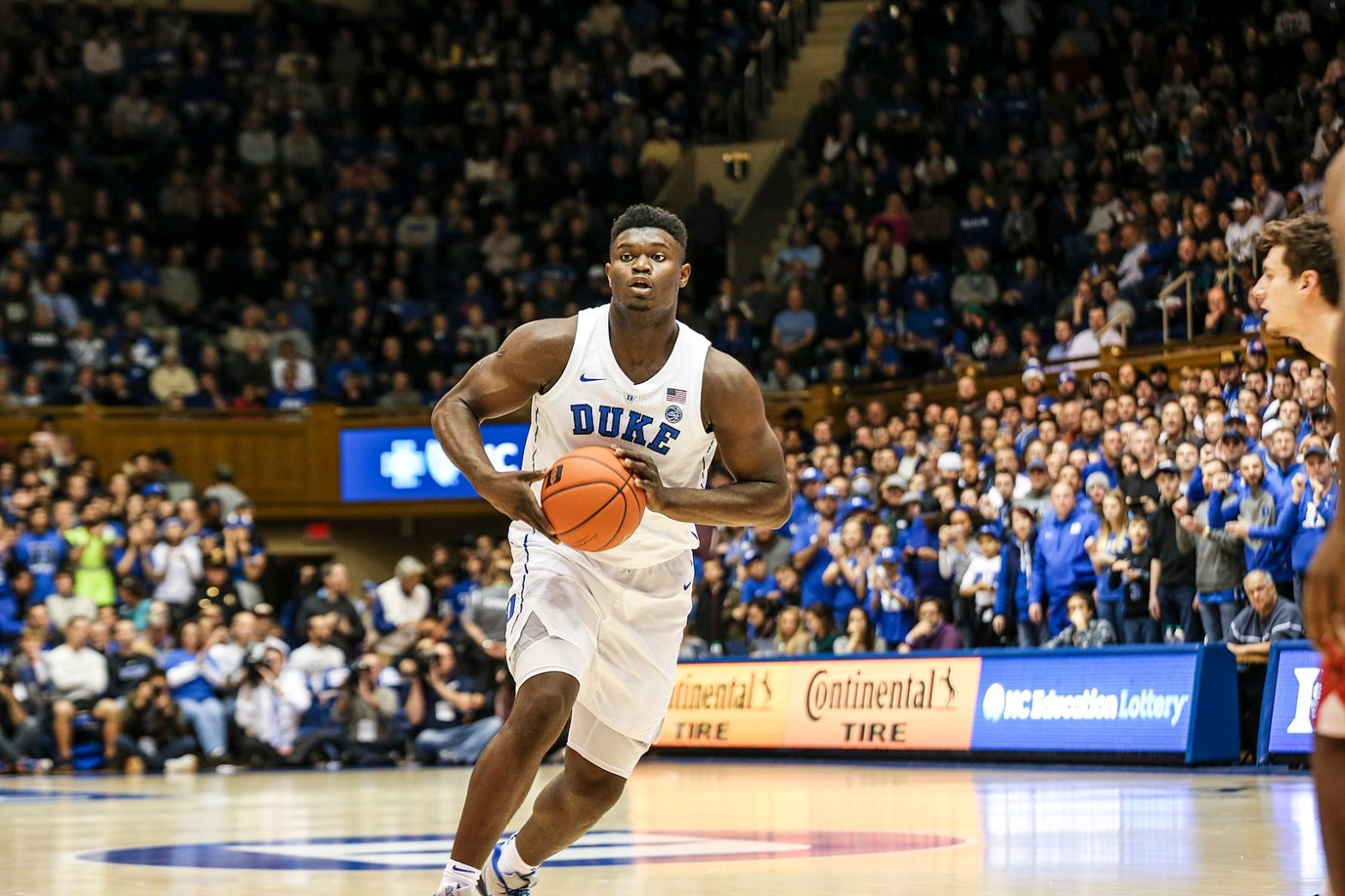
Furthermore, those top D1 athletes who have a name and image for themselves would finally profit off of that. For example, former Duke University basketball player Zion Williamson helped the university’s revenue while he was there. Jersey sales doubled, and rivalry game tickets were selling at Super Bowl price. Allowing athletes to be paid would allow him to receive some of this profit.


Provides Relief For Their Families

While some athletes have full-rides, most do not. Our parents end up paying our tuition, or we are left with large amounts of student loans.

That is why paying college athletes would not only be beneficial to the athletes but to the parents as well. We all know we would love to give back to our parents for being so supportive of us throughout our athletic career.


Stop Corruption

While the current rules do not allow college athletes to be paid, there are many people who do not follow them. Look at the scandal in 2017, where recruiting agencies were making bribes to athletes and their families to attend certain schools. 

Paying college athletes may allow people to not feel the need to take bribes and break the law. These scandals would never happen, which would lower investigation costs.


Athletes Would Actually Stay in College
Pexels.com

As previously discussed, Zion Williamson is one of many top basketball players who played one year in college before going pro. Instead of getting a college degree, these athletes just go to college to get exposure for their professional venture.

If college athletes were paid, they may stay longer in college and may even graduate with a degree, while still be able to earn even more money at the professional level. The point of going to college is to get a degree, right?

The Cons


Eliminates the “Spirit” of College Sports

For those of us who enjoy watching college sports more than professional sports, our reason is usually that college sports games are more intriguing. The players are more engaged in the game, while some professional players are more engaged in their salary.

Professional sports are a business, and college sports would become the same. We would be seeing college athletes transferring schools for better salaries just like professional athletes get traded. If the college game and professional game become so similar, what would be the point of having both?


Prioritize Athletics Over Academics

Paying college athletes would most certainly change the athletes’ personal priorities. Instead of working hard in the classroom to earn better scholarships, athletes would be working hard on the court/field to earn a pay raise. This completely eliminates the point of going to college.

To add, athletes would focus even more on the athletic aspect of choosing a school than they already do, and it would eventually turn into the best teams being the institutions with the most money.


Burden On Taxpayers

If college athletes were to be paid, who would pay for their salaries? The school? The NCAA?

The money has to come from somewhere.

For public institutions, this means asking taxpayers for support. For private institutions, they would likely need to raise their tuition rates to compensate for the salaries. For these reasons, the main population who would suffer the most are those who already cannot afford to attend college, regardless if they are an athlete or not.


Paycheck Inequality

Those in favor of paying college athletes have a lot of questions needing answered regarding who will be paid what.

Will Division 1 athletes be paid more than Division 2 or Division 3? Will football players be paid more than soccer players? Will men be paid more than women like with professional sports?

Salary and contract disputes are a huge issue in professional sports. From lawsuits to unionizations, there are bound to be even more problems if college athletes were to be paid. Not to mention that some college athletes are under the age of 18, so the parents would need to be involved as well.


When it comes to college athletes being paid, there are many pros and cons. While it may seem nice to us as athletes to be paid for our countless 6am practices and rigorous weightlifting sessions, something as simple as a paycheck might cause long-term problems for the college sports industry.

Whatever side you take on this issue, I think we can all agree that this a big issue in the sports world. As the issue continues to be discussed, I believe we will be seeing some form of athlete payment sooner rather than later. What do you guys think? Leave a comment below!

Why NCAA D3 Gets It Right When It Comes To College Athletics.

Pexels.com

There are many misconceptions about D3. It is not the “JV division.”

When it comes to college athletics, Division 3 can get a bad rap. There are no athletic scholarships given to athletes. Some believe this makes it is less prestigious than Division 1 and 2.

However, having played volleyball at both the Division 2 and Division 3 level, I can stand firm to the fact that D3 gets it right when it comes to college athletics. With a competitive atmosphere and a bigger emphasis on academics, it is the best option for athletes who want to have the overall college experience that they won’t want to forget.


Student-Athlete Approach

Like I said, a downside to NCAA D3 is the absence of athletic scholarships awarded to students, but many D3 schools offer academic scholarships that are far superior to the other NCAA divisions, and even NAIA. Despite not receiving any athletic money at Peace, my current D3 institution, I am only paying slightly more than I did at my previous D2 school.

The reason for no athletic scholarships at the D3 level is because of the bigger emphasis on academics over athletics. At my previous school, I missed a countless number of classes for games. This rigorous traveling schedule caused me to not be able to perform at the highest possible level I could in the classroom.

With D3, there is far less traveling during the week, and I only missed two days of classes last season. I was able to achieve my academic goal of making the Dean’s List with distinction. I’ve never cared more about my grades than at Peace, because I know it will pay off when I receive my academic scholarships.

The academic-scholarship-only aspect of D3 is invaluable: Better Grades = More Scholarship Money.


Less Rigorous Off Season

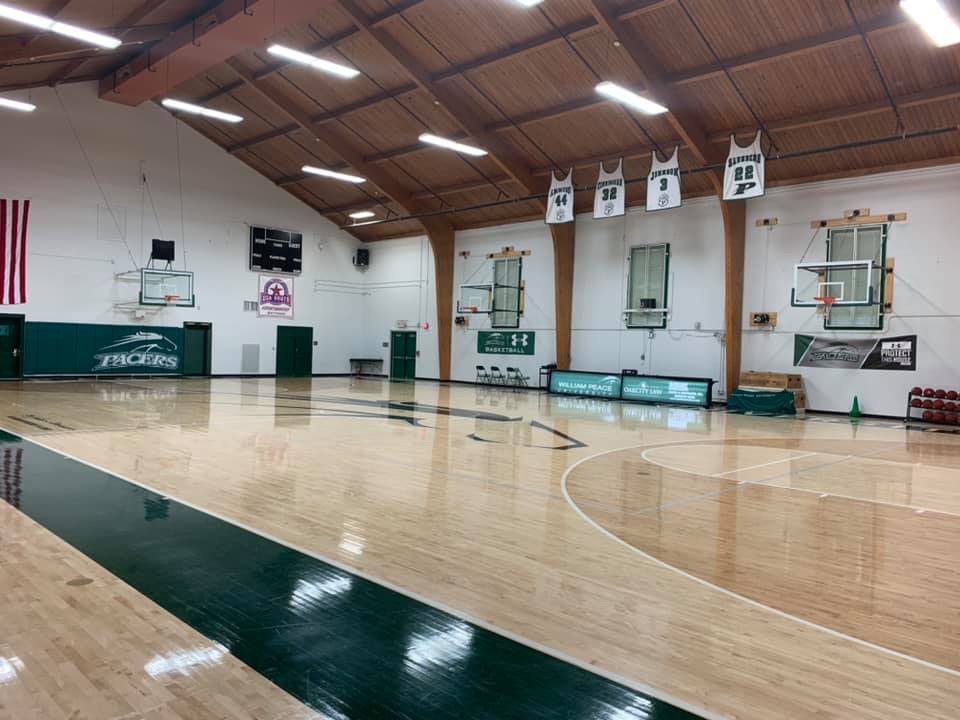
William Peace University Gymnasium

There are also very specific rules from the NCAA that are in place when it come to the off season in D3 athletics. This includes voluntary strength and conditioning sessions, and only a certain number of practices. 

For instance, my team is not allowed to have a formal practice in the off season until after spring break, and our weight lifting sessions are optional.

The rules allow D3 athletes to have more free time, and become more involved in other campus activities. I am able to attend many on-campus events, and be involved in clubs. 

There is even an opportunity for athletes to have real jobs and internships in the off season. For example, many girls on my team currently coach youth volleyball in the area.

As you can see, the rules are a good thing actually. It allows the athletes to feel like students for once, while also giving them the option to train hard as they please.


More Motivated Teammates

You have probably heard the term “walk on” before. They are the athletes at the D1 and D2 level who do not receive any athletic scholarship, and have to prove themselves in order to have a place on the team.

At the D2 level, I often felt that there were some players on my team who were only there because of their athletic scholarship. There was a sense of showing up to practice not because you wanted to but because you were “getting paid” to do so.

Well at the D3 level, everyone is considered equal. There is no walk on or scholarship athlete. There is no player that is superior to another because of scholarship money. It is an even playing field for all athletes to succeed.

This makes D3 athletes more motivated and excited to play their sport, because there is no athletic scholarship that is facilitating them to show up to practice and weights. Overall, I have never been on a team who has worked as hard or has loved volleyball as much as my team at WPU.

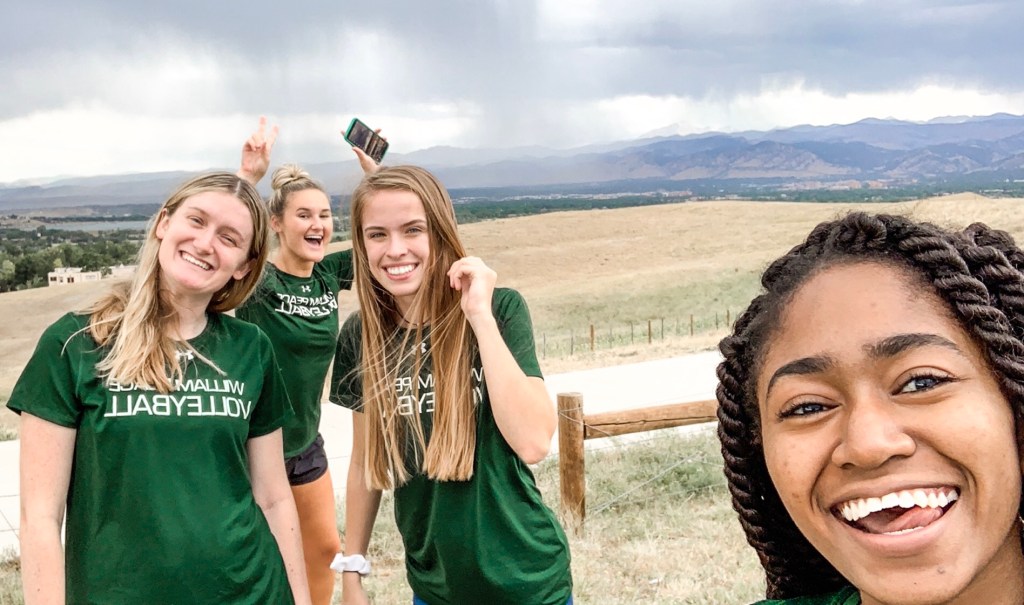
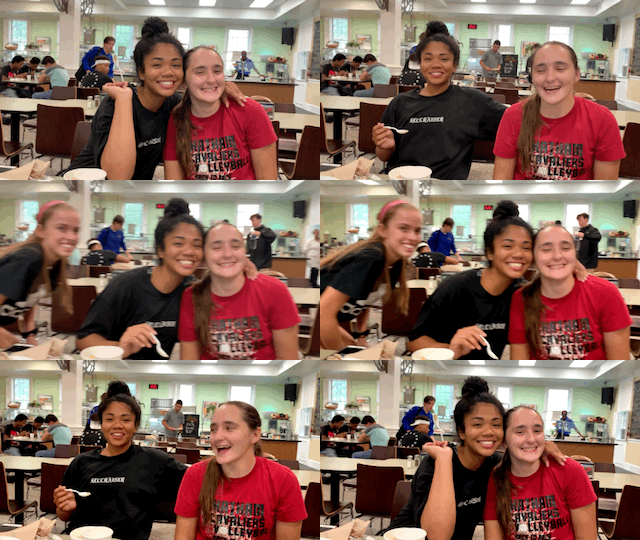
WPU Volleyball Teammates: Mya Parks, Emerson Scollo, Lauren Wand

From having a job to studying abroad, there are many things that D3 athletes can do that D1 and D2 athletes cannot. It is also just as competitive as the other divisions. In most D3 sports, the upper tier schools are just as talented as the middle-upper tier D2 schools and lower-middle tier D1 schools.

The D3 level is also just as competitive, and the games are just as much fun to watch as the other levels. Check out this trick play from D3 Trine University’s Women’s Softball team.

For athletes wanting the true college experience, D3 is by far the best option. I am very glad that I made the transition to the D3 level.

Don’t forget to check out my other blog posts, and follow the Speaking of Athletes Twitter page!

5 Unique Tips for Mastering the “Student” in Student-Athlete.

Matt Ragland – Unsplash.com

Did you know that the graduation rate for NCAA athletes was 88% in 2018?


As college athletes, juggling school-work and practices can be a major hassle. We try to figure out if there is some magic trick that helps us successfully balance the two, but there simply isn’t one. 

We are often told “don’t procrastinate” or “go to study hall”. But is there more you should be doing? 

However, with the help of my teammates, I have compiled a list of unique tips that have helped in the classroom. 

1. Let your syllabus be your framework for time management.


While some of us look at our syllabus on the first day of classes and soon forget about it, it is actually an important piece of information. Our syllabus gives us a weekly outlook of the materials that will be covered, assignments, tests, projects, etc. 

With having this information, we can easily outline our “game plan” for that class. Looking through the syllabus, we can figure out what weeks will be busier than others, and what days will be opportune times to study for the tests.

Most importantly, we can look at the syllabus to figure out what we will miss if we are traveling to away games, and the best way to make up that work.

2. Do your homework that is optional.


In college, we often have homework that is optional, and our first instinct is to simply not do it. I mean, it doesn’t count anyway, right? However, completing this homework is actually a great way to better prepare ourselves for tests and assignments that do count.

Let’s look at this from a game perspective. Although we don’t always enjoy practice, it is something that is pivotal for us to succeed when we face our competition. 

While homework is never fun (especially when we don’t even have to do it) getting that extra practice will help us learn. We definitely won’t regret completing it when we get an A on a test.

3. Take Breaks.


A common misconception in our society is that taking breaks means that we’re lazy, but science says otherwise.

According to Psychology Today, breaks increase productivity and creativity. With taking breaks, our mind becomes refreshed, and we are able to make more adequate decisions.

For me, I tend to get stressed when I have been working on an essay for a long period of time, When I take a short break, I am able to gather my thoughts and work at a more efficient level.

What we do with that break is up to us. Whether it’s going for a walk, or taking a power-nap, breaks are important for us as athletes both in academics and athletics.

4. Make use of your bus/planes rides.


It’s never fun to do our schoolwork on the bus or airplane. It’s bumpy, and there’s many distractions. There is many times when I want to just sleep on the bus or watch a movie.

Instead of waiting to do your schoolwork until late at night in your dorm room, just go ahead and get it done when traveling. Leave your time in your dorm room for sleeping, and leave your time on the bus for being productive, not the other way around.

Even when none of your teammates are doing their work, find a way to stay focused, whether its sitting in the front of the bus, or putting your headphones on.

5. Communicate with your professors.


During my freshman year, I was afraid to talk to my professors, but as an athlete I quickly learned that had to change. Communication with your professors is key to success in the classroom.

Make sure your professors know you. After class is over on the first day, walk up to your professors and introduce yourself. Tell them that you are an athlete and give them a schedule of what days you will miss for games.

Being vocal with your professors not only helps you, but helps them as well. It also gives them a good impression of your athletic team.


Hopefully, these tips will help you achieve your goals as a college student. If you have any other unique tips, or any ideas for future posts, leave a comment below.

Failure Doesn’t Exist: What We Can Learn From Kobe Bryant.

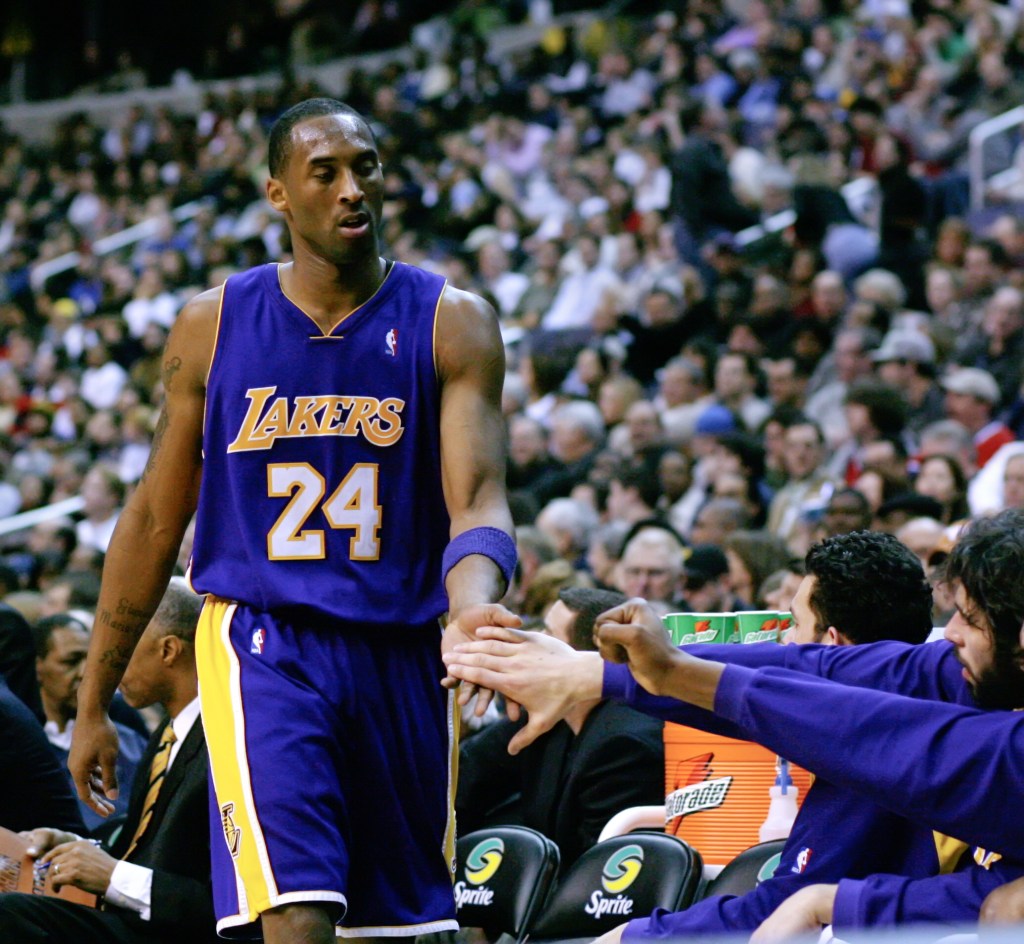
Keith Allison – Wikimedia Commons

What? Kobe Bryant is gone?

Kobe Bryant’s death was a shock to the world. He had a sharp mind and brilliant soul that touched us all. His inspiration traveled beyond basketball players to all athletes and all people. 

Brett Ledbetter, author of the book, “What Drives Winning,” breaks down one of Bryant’s many of interviews in a video from 2017. In the video, many topics are discussed. Here are some things we can learn to boost our game, and have the same #MambaMentality that Kobe Bryant possessed so well.

Think Tactically, Not Emotionally.


During his rookie season, Bryant airballed four shots in a row in a playoff game against the Utah Jazz. When asked about this game, the first thought that came to mind was “Dang, I should have made them.” Instead of being down about his struggles he took a step back and asked himself why he didn’t make them.

A lot of the times as athletes, we are quick to sulk in our mistakes and put ourselves down, but what if we changed that mentality? After all, frustration gets us nowhere, and it sets a pessimistic tone on the court/field.

Instead of saying, “Wow, I suck,” say “How can I fix it?”

Bryant went on to inform that his legs were tired, due to playing many more games in the NBA than he did in high school. He was able to fix this by training his body to adapt to the rigid schedule that he endured in the NBA.

When we think tactically as opposed to emotionally, we are able to fix our mistakes and improve our overall game. We are only as good as what our mind lets us think about ourselves.

Love to win or hate to lose? Bryant said neither.


I’m sure that there are many athletes who love to win and many who hate to lose. There are even some who could agree with both statements. However, Bryant disagreed to both choices.

To be completely honest, I was confused as to what he meant by this, but digging deeper it makes complete sense

When we play with the fear of losing, it holds us back from our full potential, and we eventually cave in to that fear. When we play with the only goal in mind of winning, it puts pressure on ourselves as to what would happen if we lost.

“If you find common ground in the middle, you’re not phased by anything. You are able to stay connected in the moment, and stay focused to what is in front of you.”

Staying in the moment. It is something so simple, yet so important for us as athletes, us as students, and us as people. We cannot change the past mistakes we make or the games we lost. We can only control what is in front of us, what happens next.

Failure Doesn’t Exist.


“What do you mean failure doesn’t exist, Kobe? There is a losing team every game.”

When asked what he does to overcome failure, Bryant claimed that failure is just something that is in your head.

“It’s a figment of your imagination,” he stated.

Jonathon Wells from The Healer’s Journal added to this statement. He writes “If you believe you have failed, then you have. If you believe you don’t have the ability to succeed, then you won’t.”

The only way to fail is to stop. As long as we continue to progress towards our goal, we can never fail. What most people think is failure is only a learning experience for Bryant. If we base our athletic performance on success or failure, we have already failed. 

Bryant was an illustration of “Process over outcome.” He stayed curious throughout his career and life. He wanted to learn as much as he possibly could, even beyond the lines of the basketball court. 

While one could say he played like there was no tomorrow, Zito Madu from SB Nation viewed Kobe’s life from a different perspective.

“Bryant behaved as if there were infinite tomorrows,” he claims.

We have all heard that phrase, “What would you do if you knew you couldn’t fail?” Well, Kobe Bryant lived by that mentality. He created his own version of reality, and failure was not apart of it. We then look back and think to ourselves, “Is that why he was so successful?” 

Kobe Bryant’s death was tragic, but he left this world better than it was before. I challenge you to be able to walk away from every practice, every game, and every day with this quote in mind: 

“I left no stone unturned. I tried and learned as much as I possibly could to be the best possible player that I could possibly be to help my team be the best team that it could possibly be.”

Kobe Bryant

RIP Mamba.

Speaking of Athletes – A Blog Made for You

Jeffrey Lin – Unsplash.com

Your alarm goes off at 5am and you head to morning workouts. Then it’s off to class from 8 to 1. You chow down a quick lunch before practice. After that, you hop in the ice before heading to dinner. You then have mandatory study hall. And by the time your day is done, you are so physically and mentally tired that you don’t even feel like doing anything besides laying in your bed and wondrously glaring at the ceiling fan. 

This is the daily life of a college athlete. And people wonder why on average we get only 3 sufficient nights of sleep a week, according to a recent NCAA study.

As college athletes, we often feel misunderstood and people often wonder why we do it. In fact, only 7% of high school athletes decide to take their game to the next level. To the outside world and mainstream media, we are portrayed as young kids who party and are lazy about school. To our professors, we are students before athletes, and to our coaches, we are athletes before students. But who are we actually?

To our professors, we are students before athletes, and to our coaches, we are athletes before students. But who are we actually?

Being a college athlete is not something that can be taught. We are pretty much thrown to the wolves our freshman year and have to figure it out ourselves. Speaking of Athletes is a blog for us. It is an outlet for athletes to learn from other athletes in order to be better as students and athletes. This blog will discuss everything from time management to dealing with injuries. As well as topics such as the differences between divisions and how the transfer process works.

This blog is also “by a college athlete for a college athlete.” I am currently a junior playing collegiate volleyball, with experience at both the D2 and D3 level. I’ve been through those terrible preseasons when your legs feel like a weird mixture of jello and cement. I’ve been through those sleepless nights of schoolwork you had to make up for missing class because of a game. I’ve been through those times when you have to decide whether to eat or take a nap, because you only have time to do one. And trust me, I have set an alarm for 7 minutes to fit in a nap whenever I could. 

Andrea Tummons – Unsplash.com

Whether you are struggling with time management, recovering from an injury, or you just need some more motivation to push through the rest of your season, this blog will be perfect for you. Even if you are a youth athlete wanting to take your game to the next level, there is a lot you can learn from this blog as well.

There is so much to discuss about the college athlete life. If you have any ideas for future posts or a topic you need advise on, feel free to leave a comment on this post or send me a message on the Twitter page @SpeakingofAthl1.

Design a site like this with WordPress.com
Get started